Get training resultsthat count
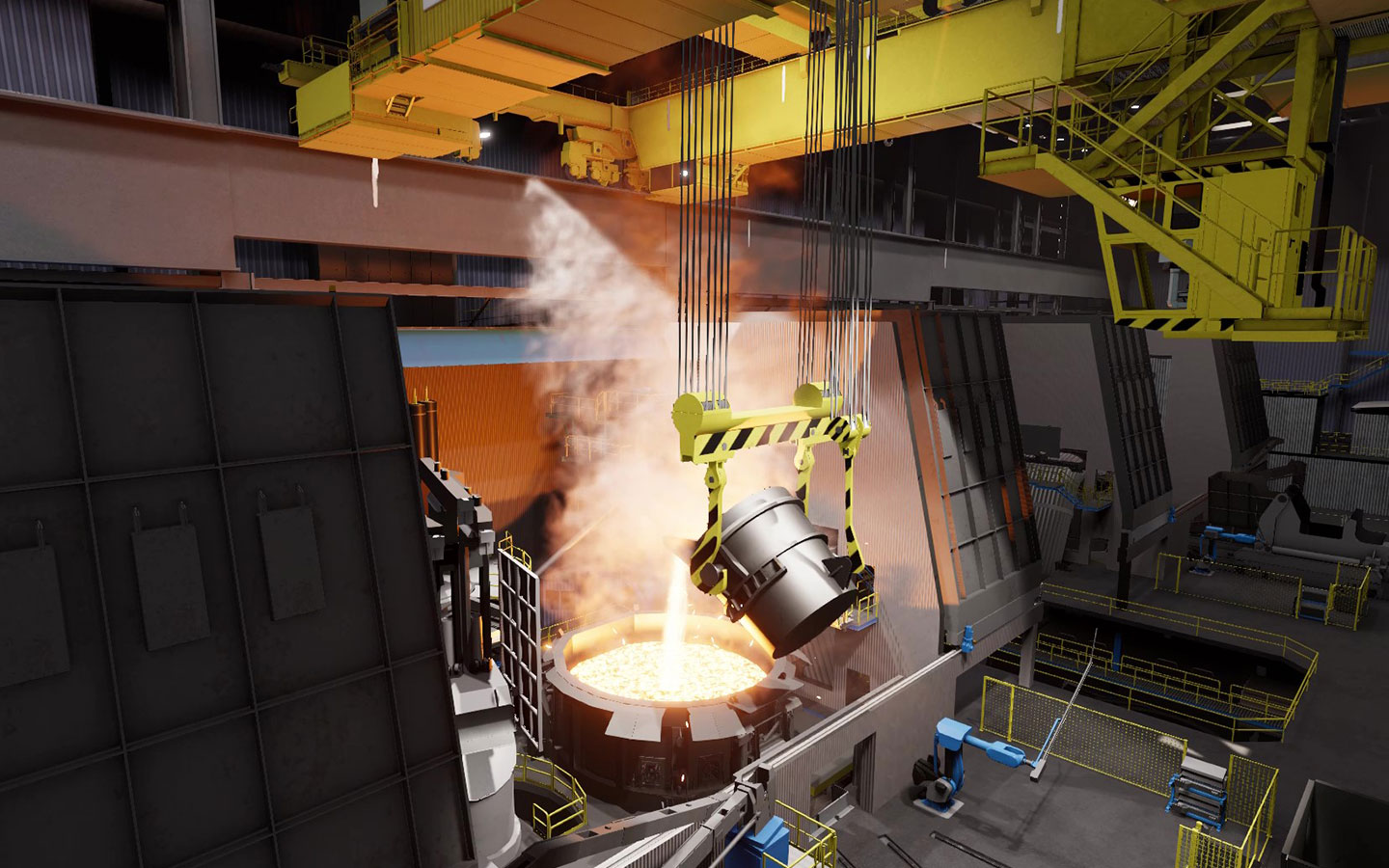
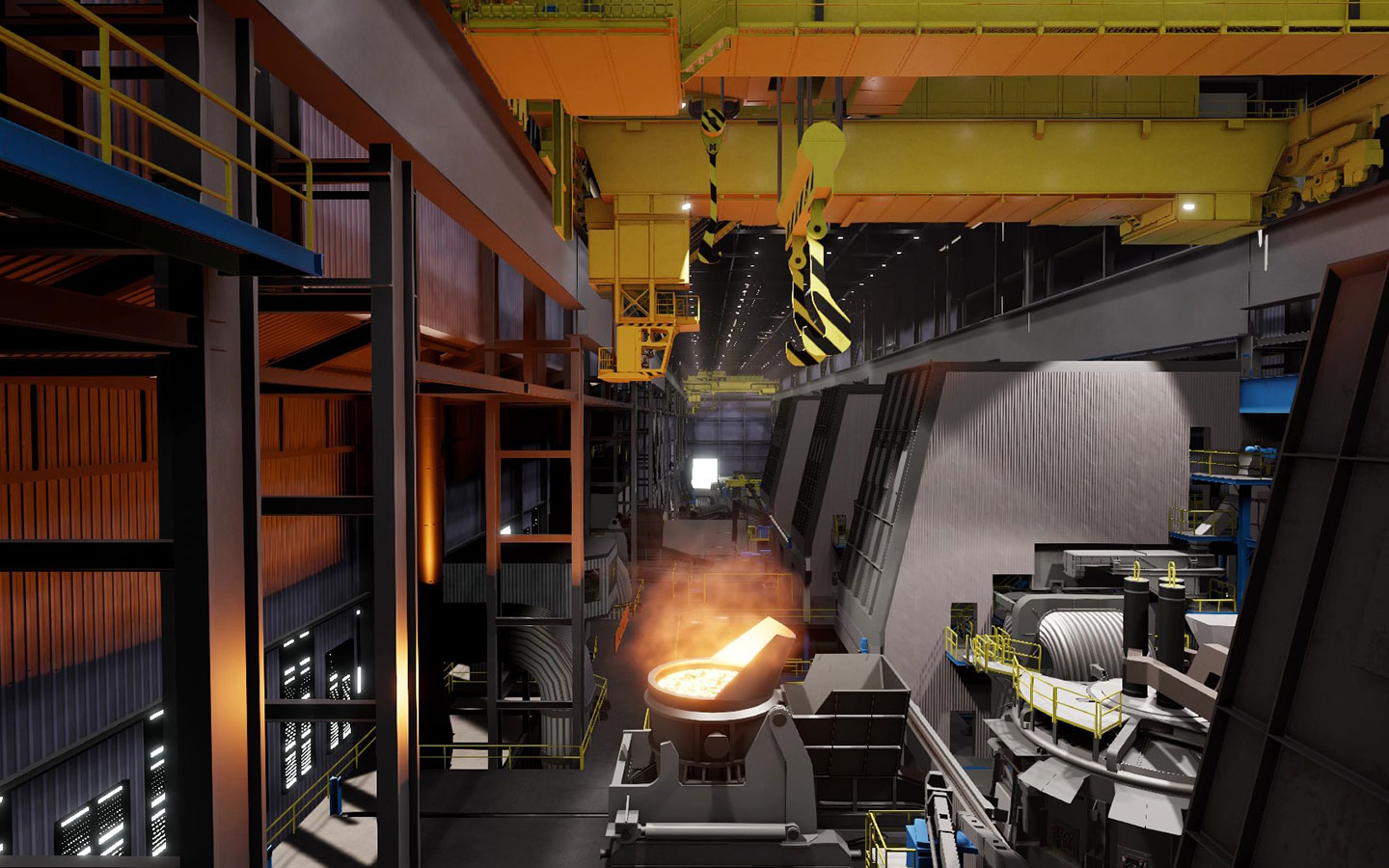
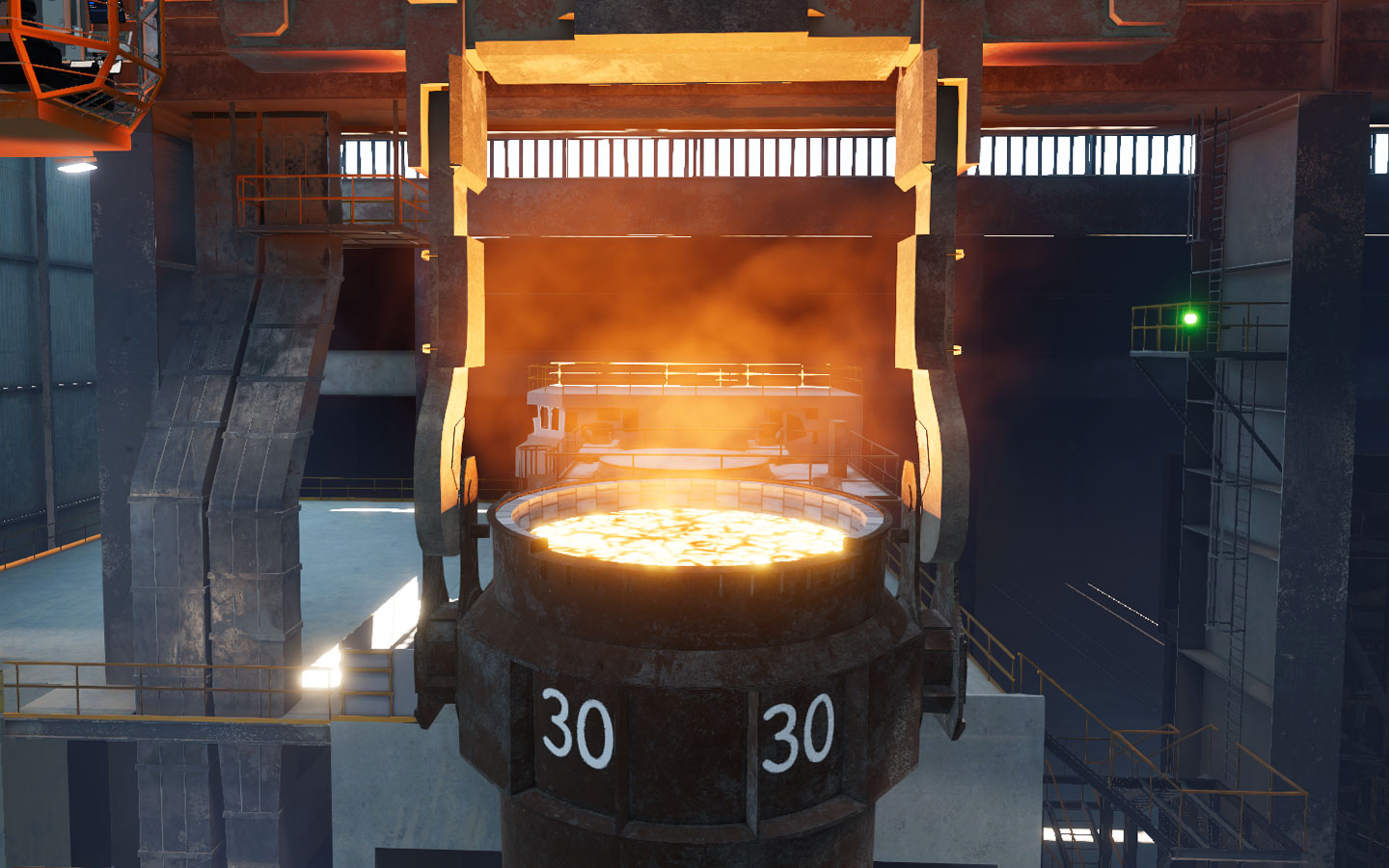
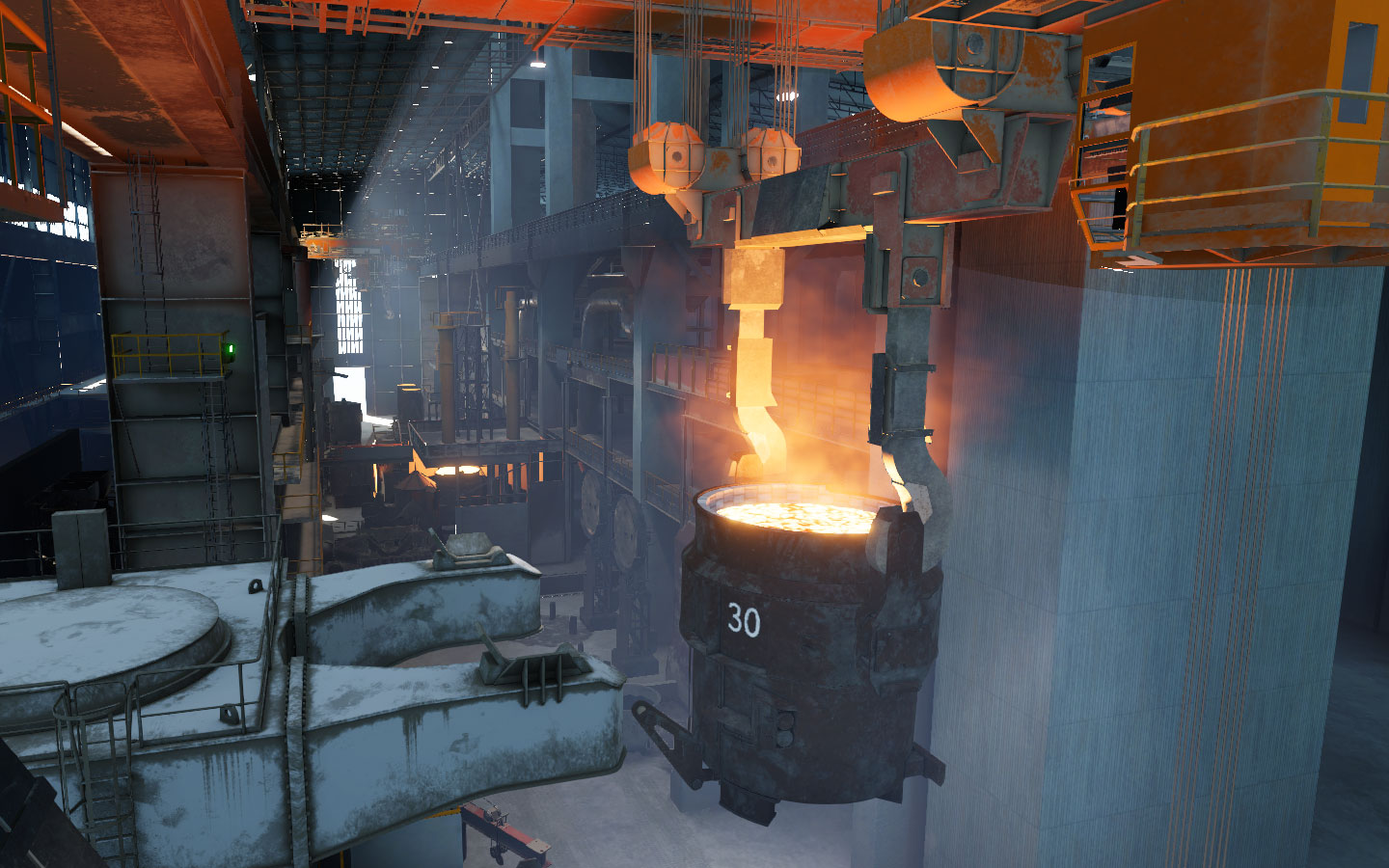
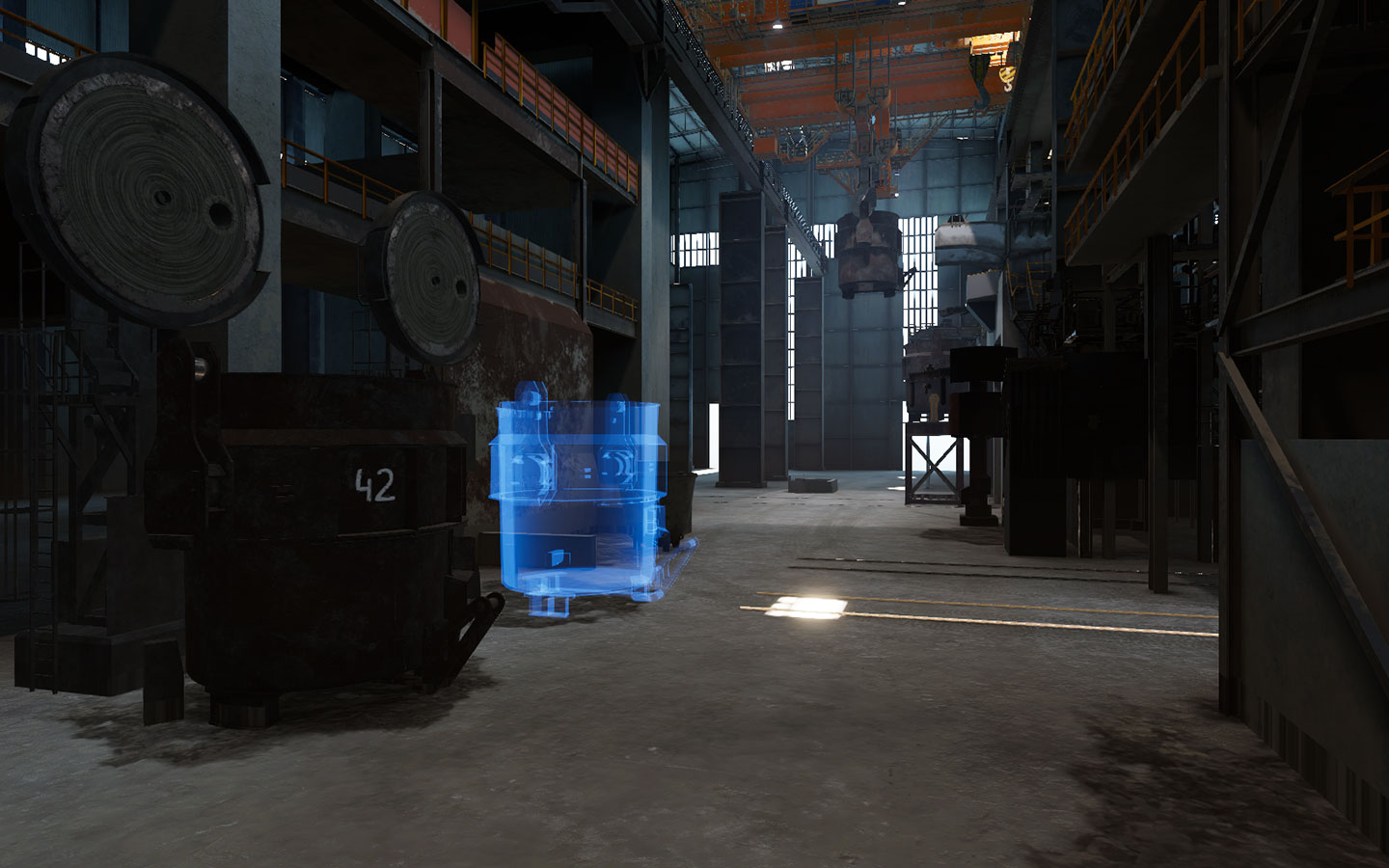
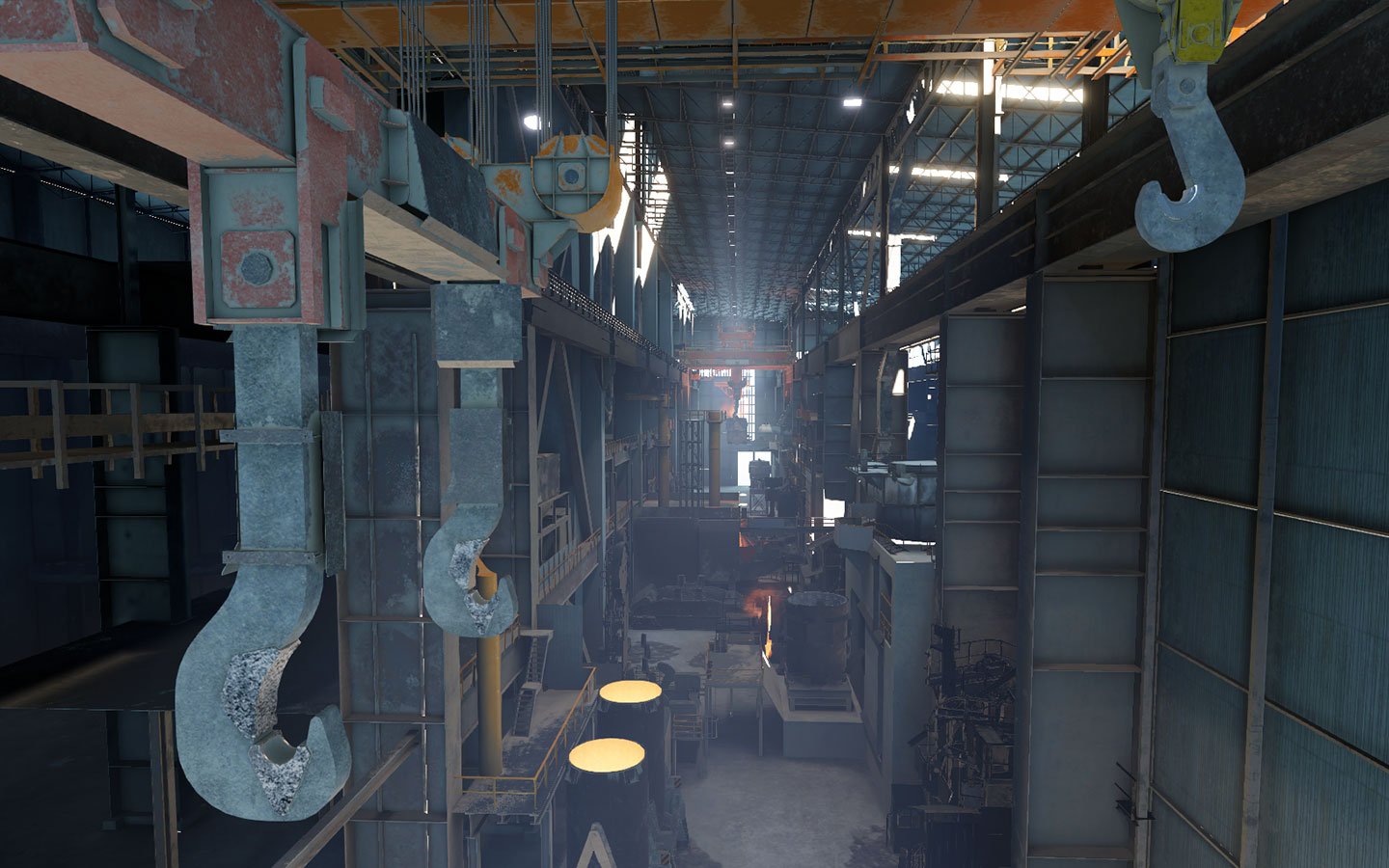
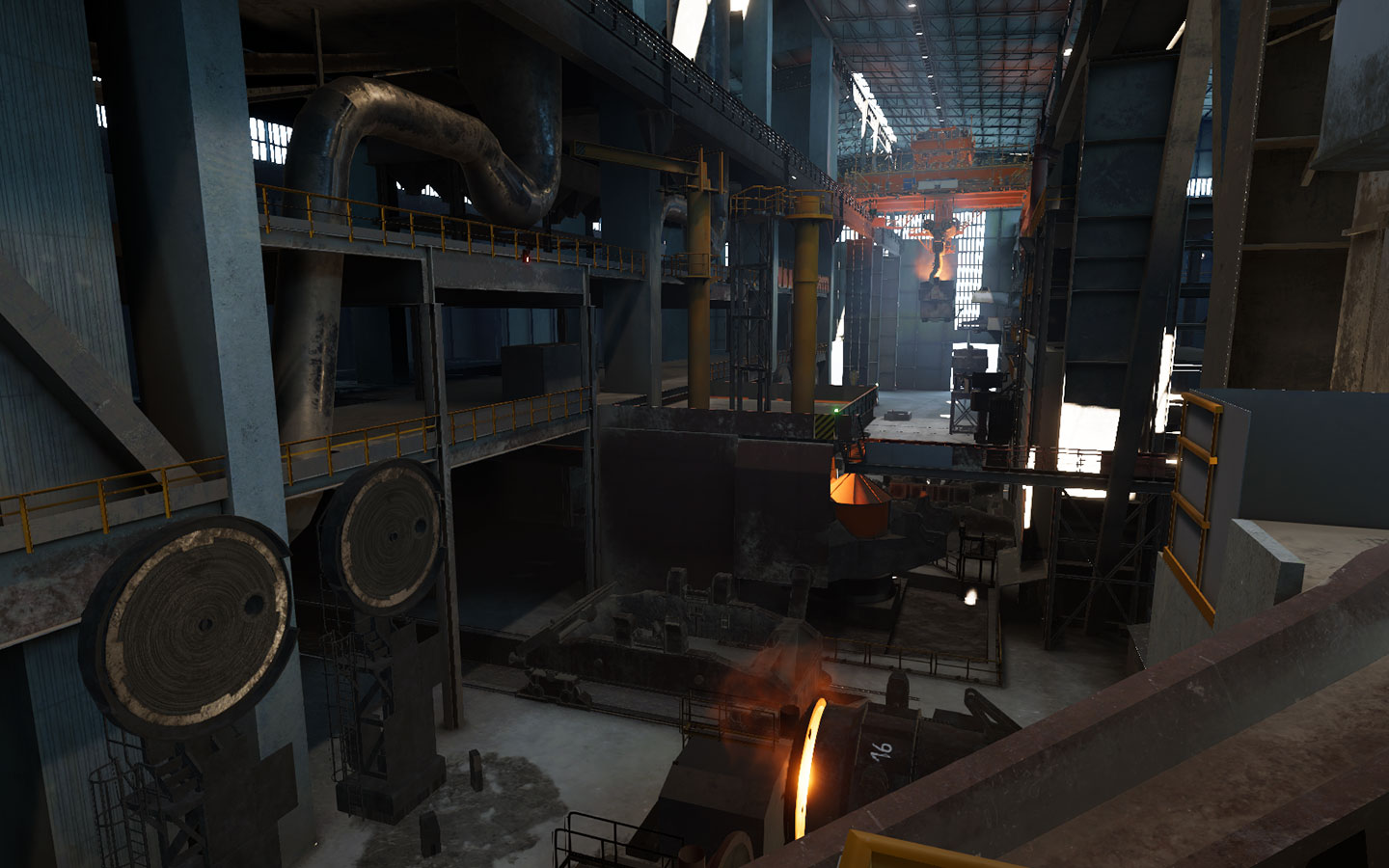
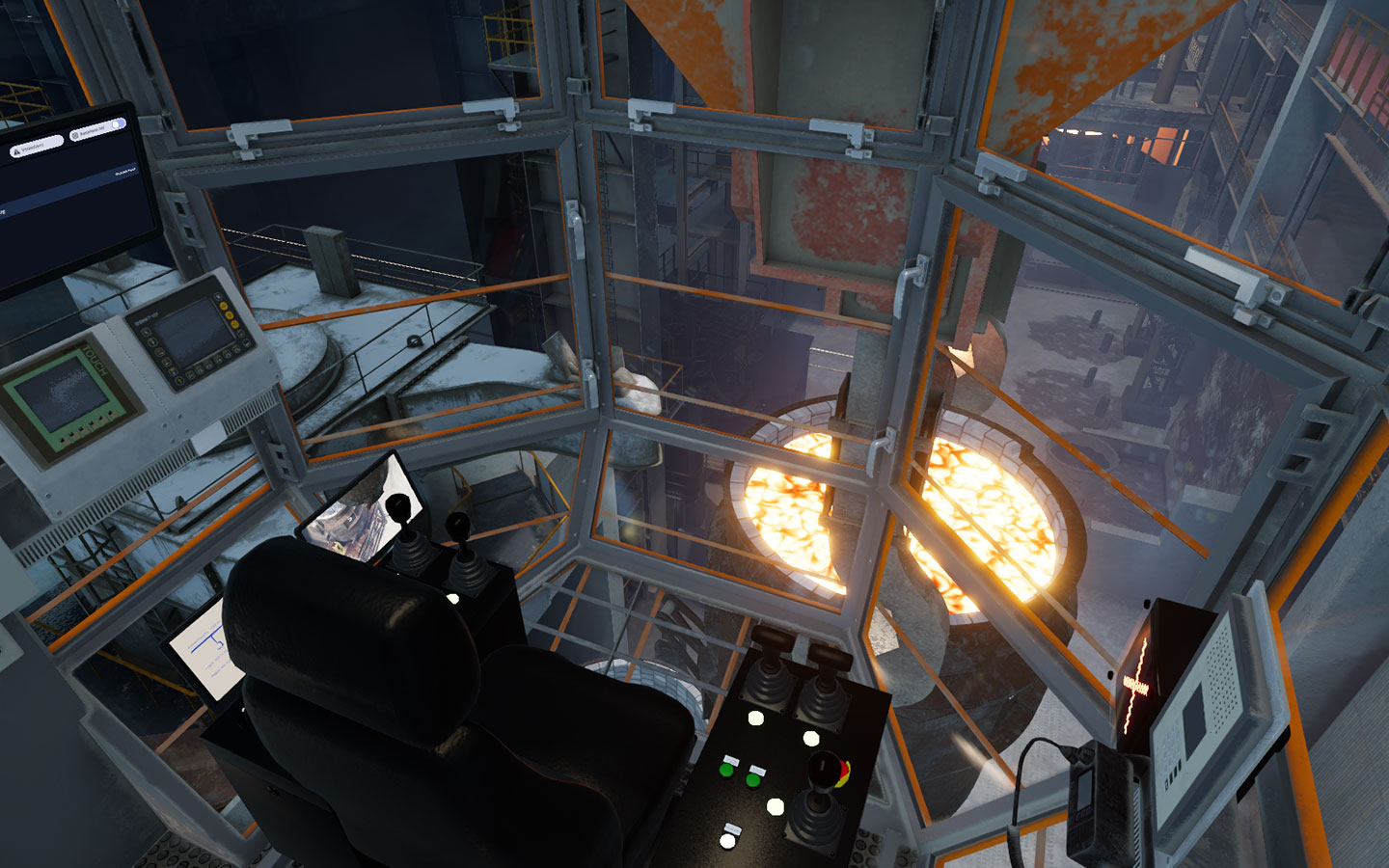
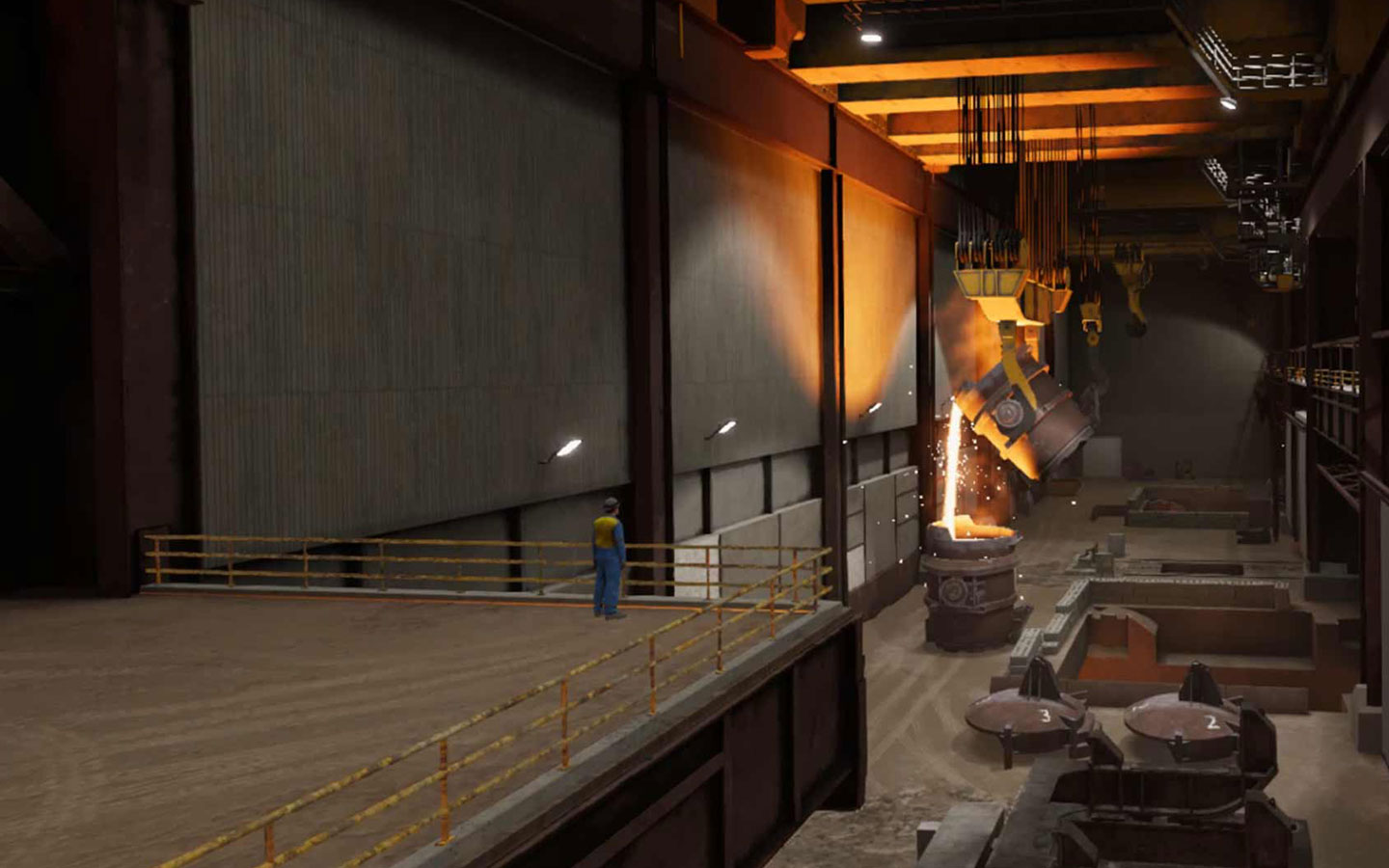
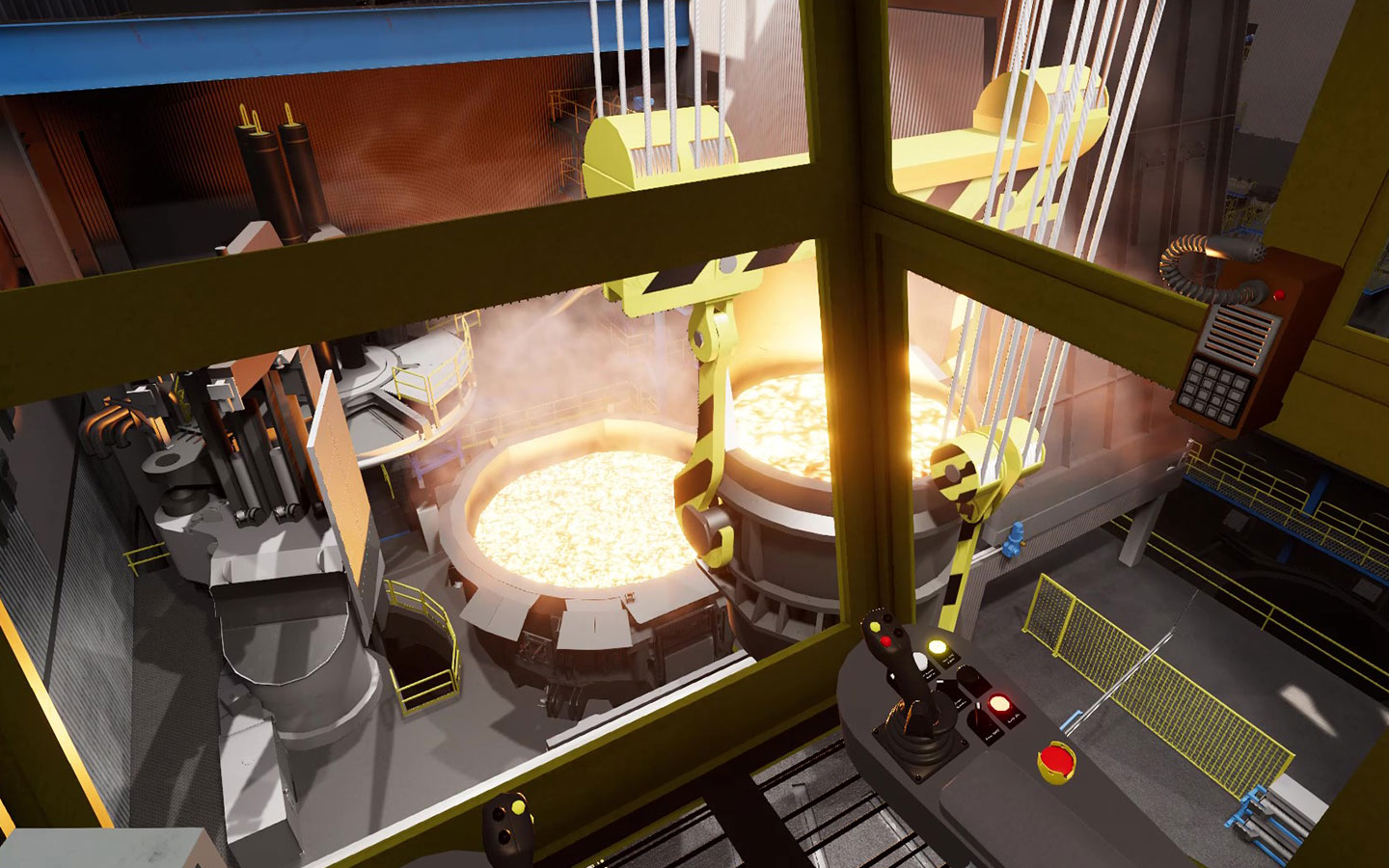
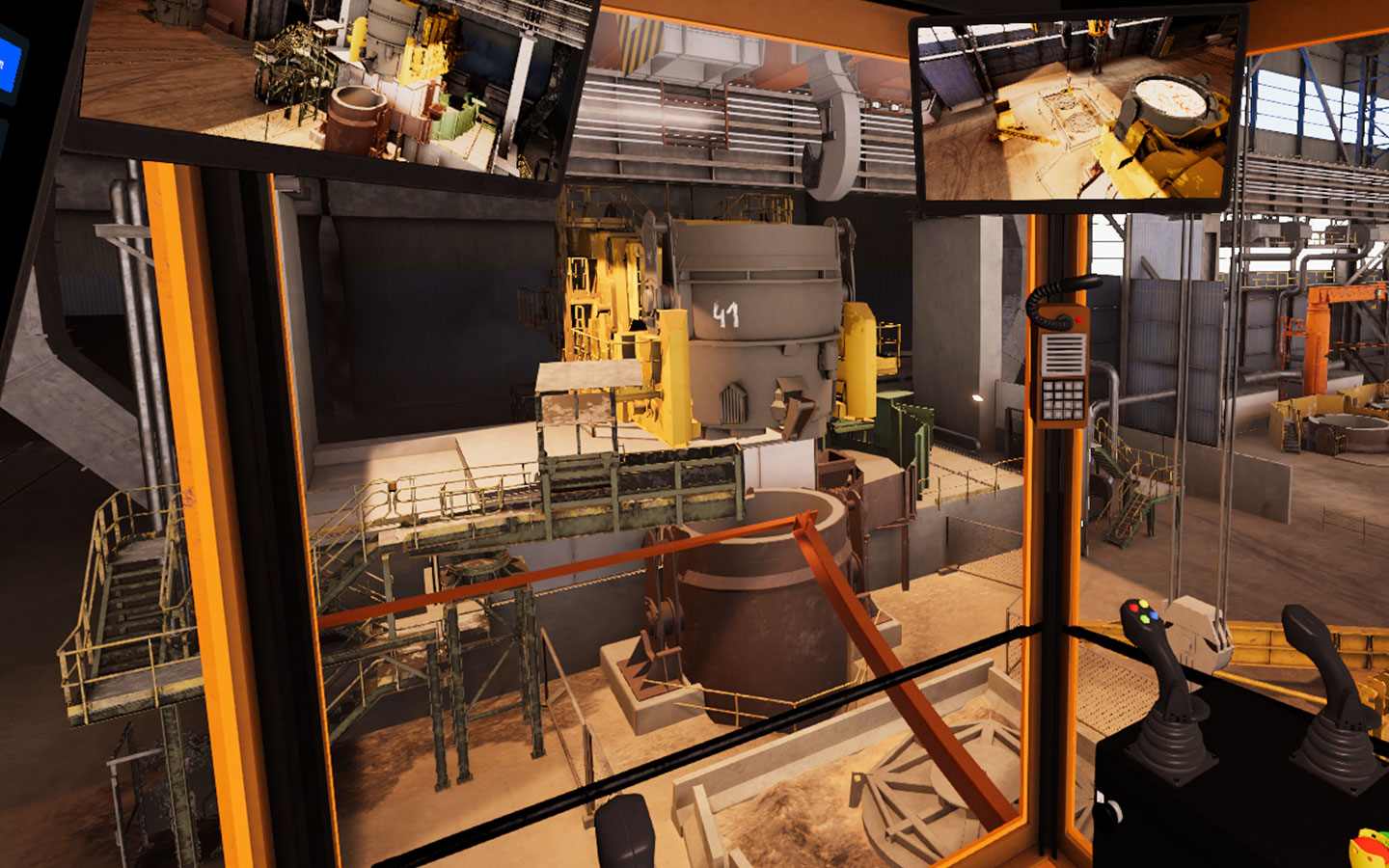
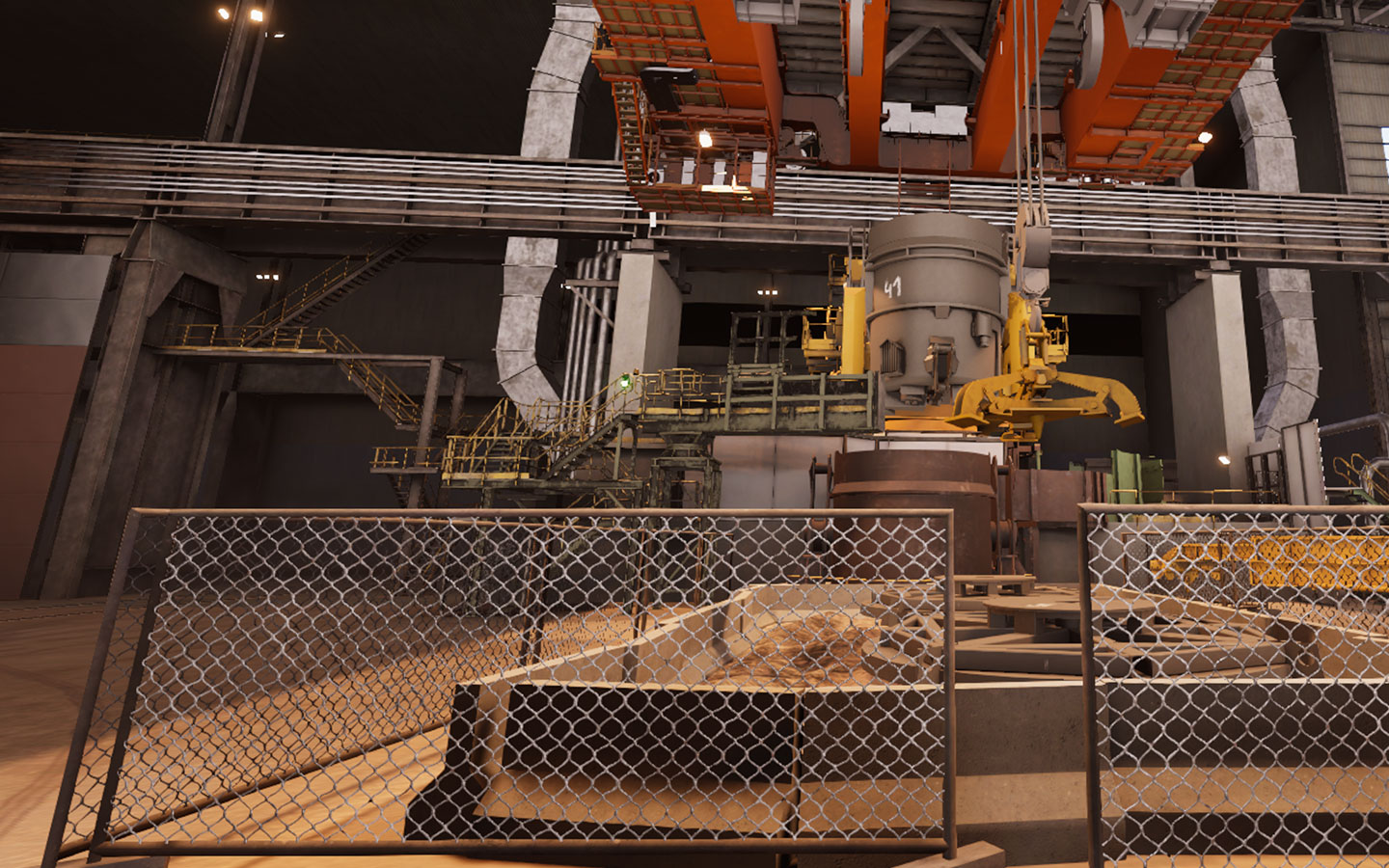
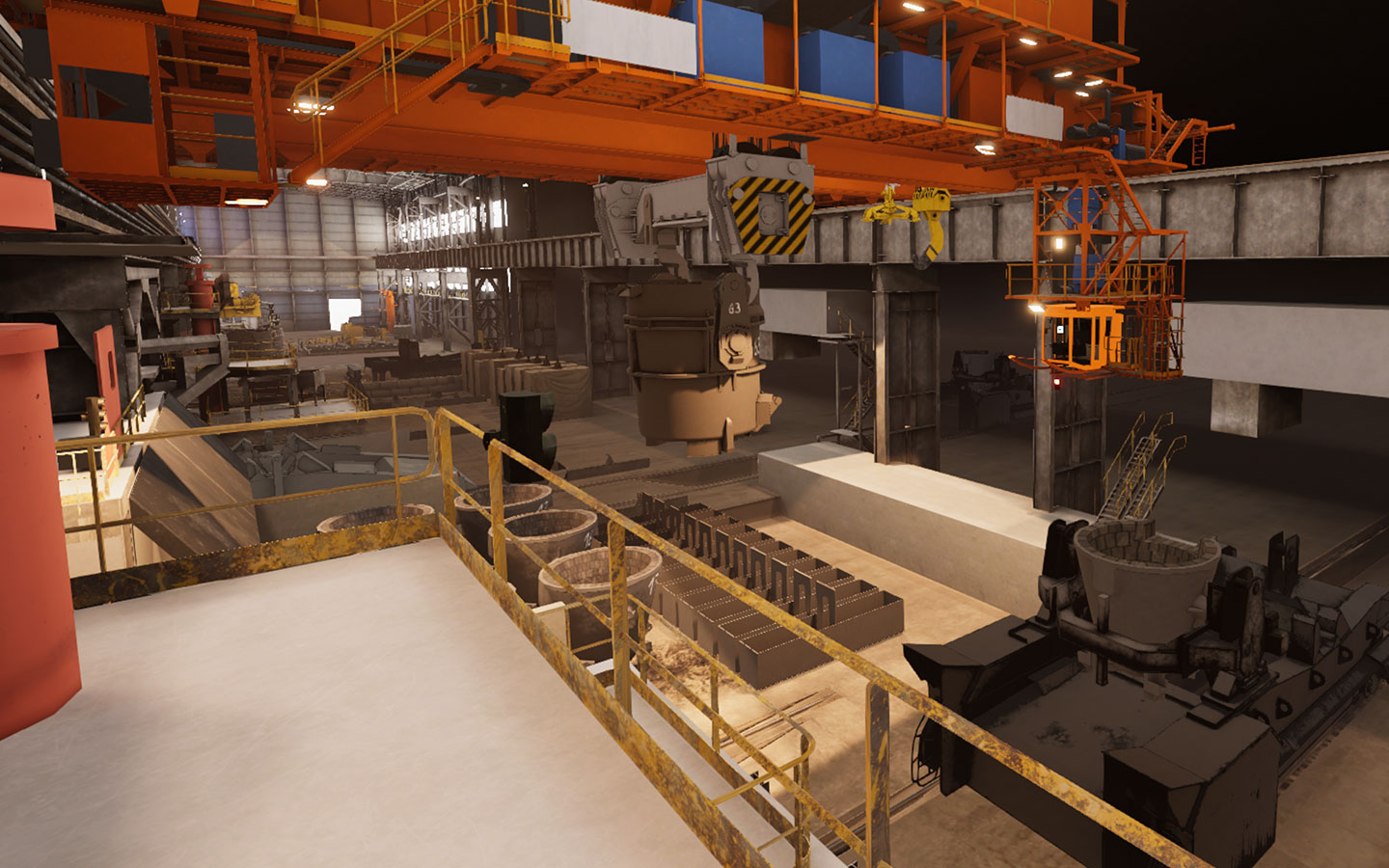
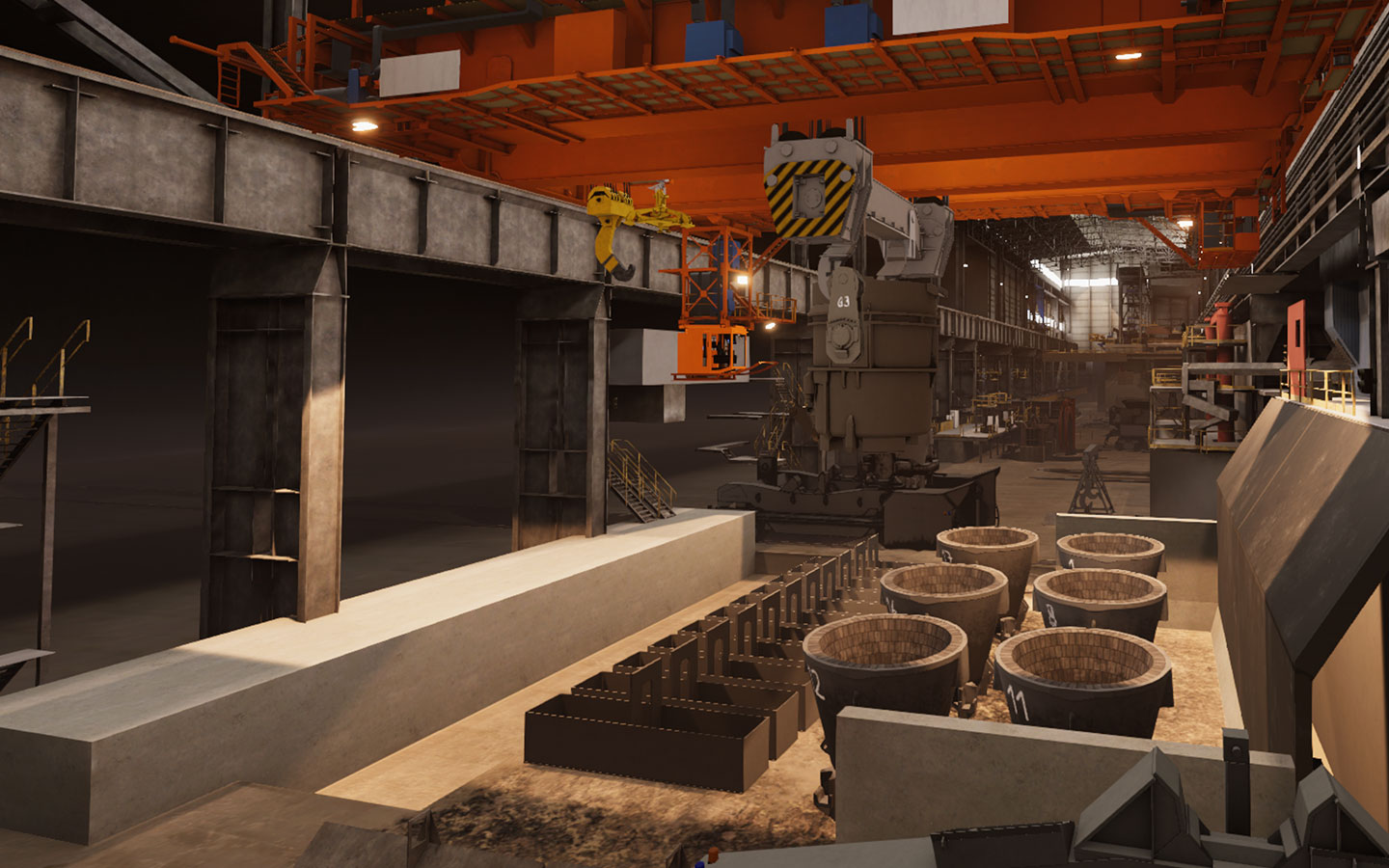
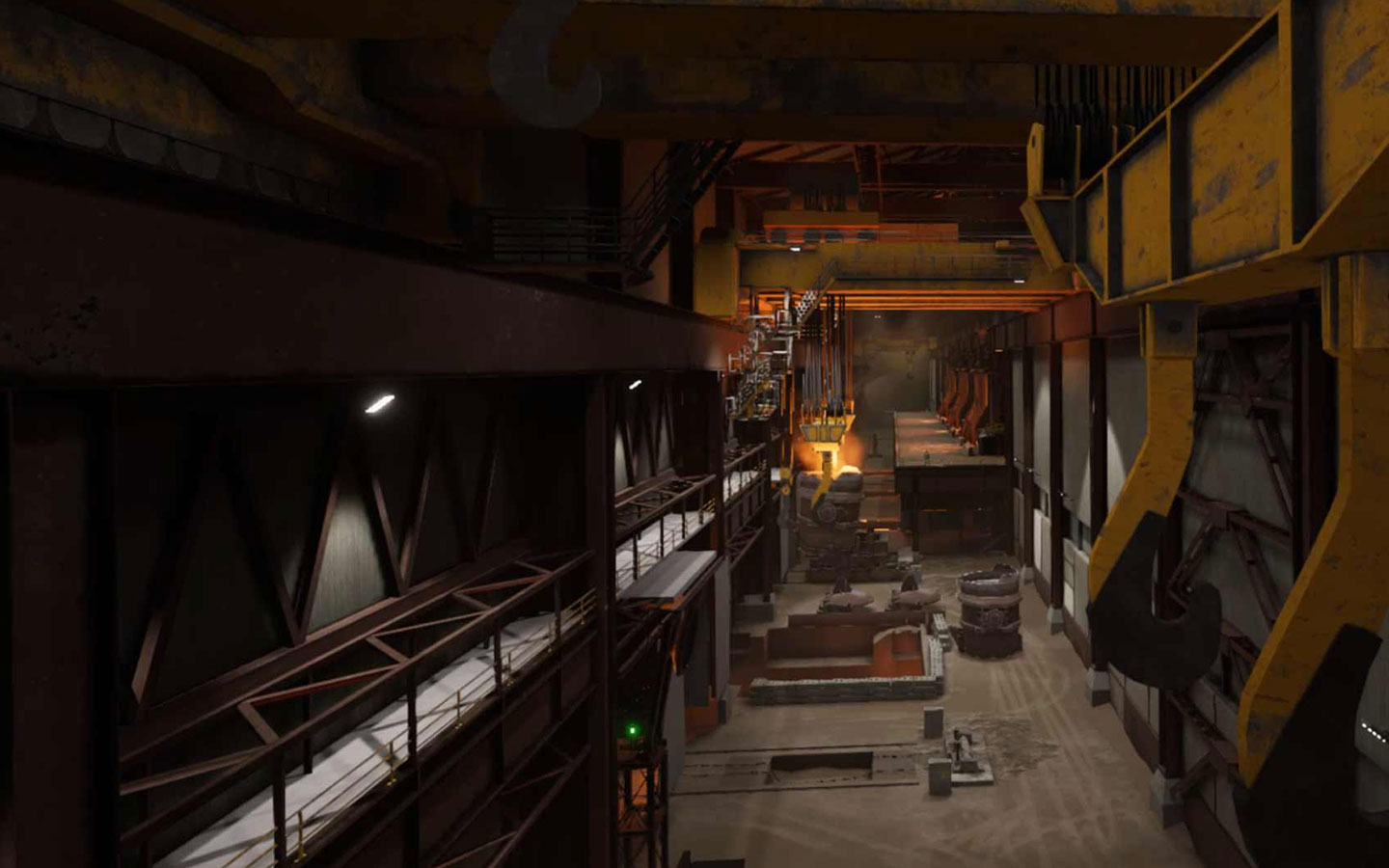
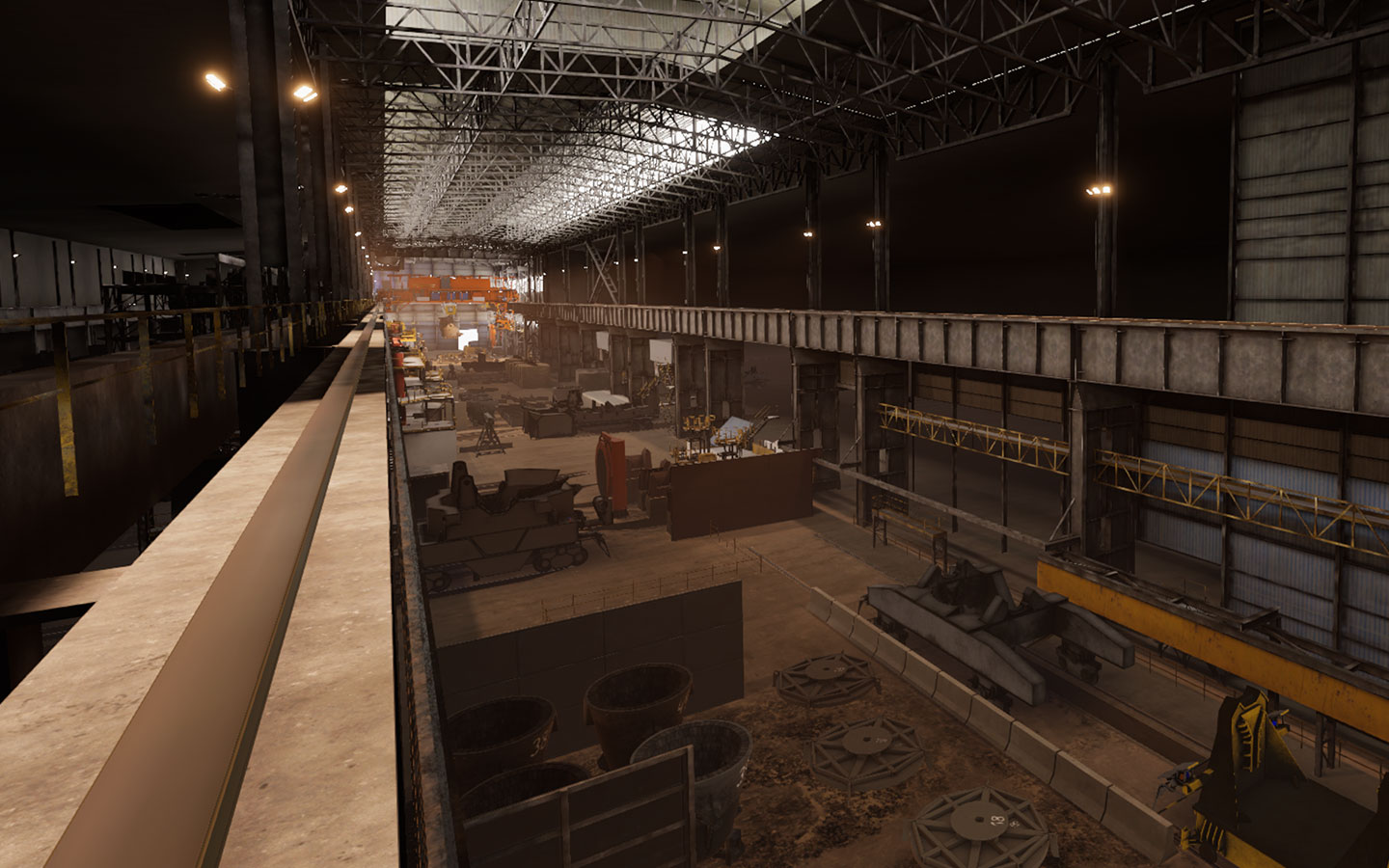
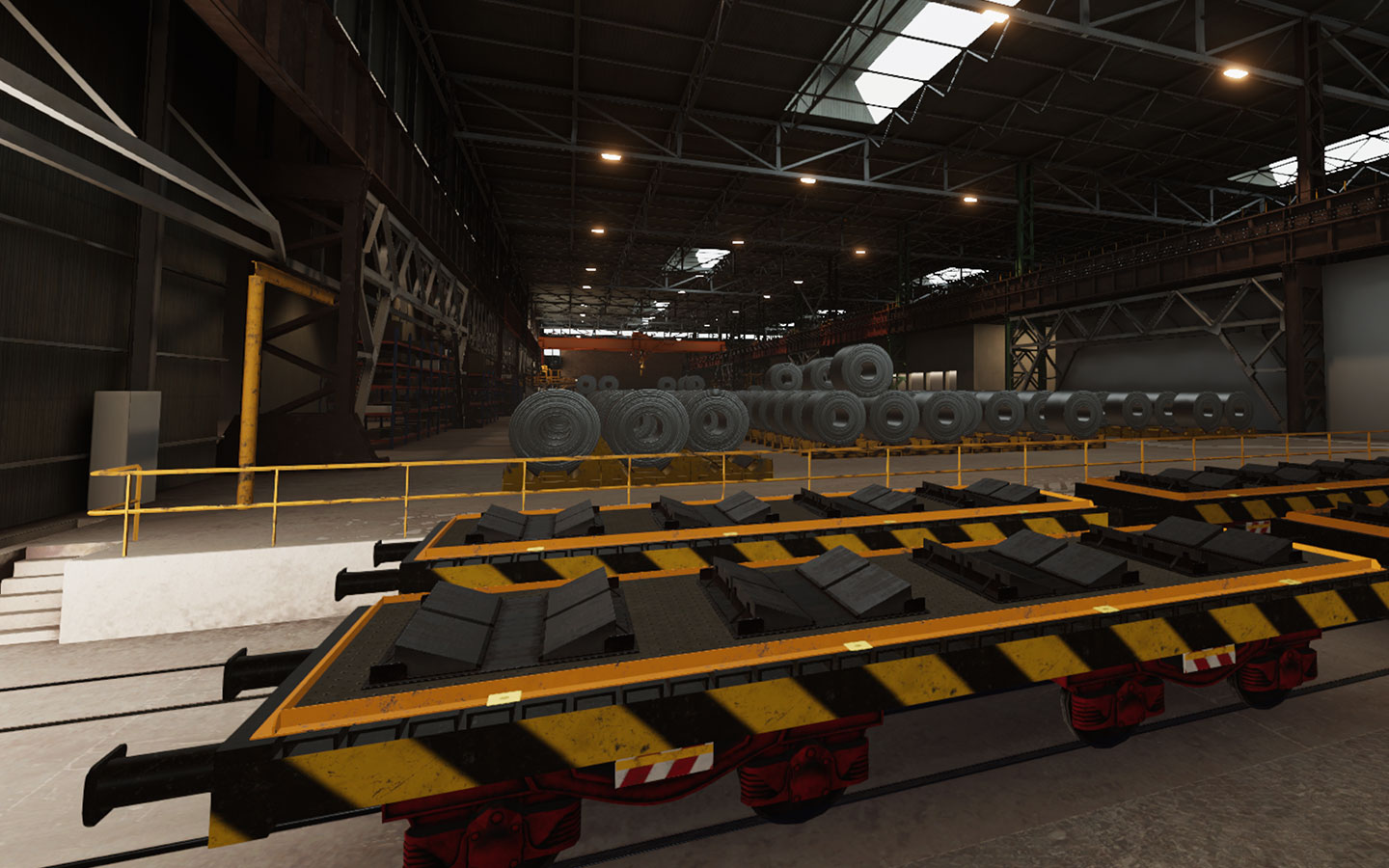
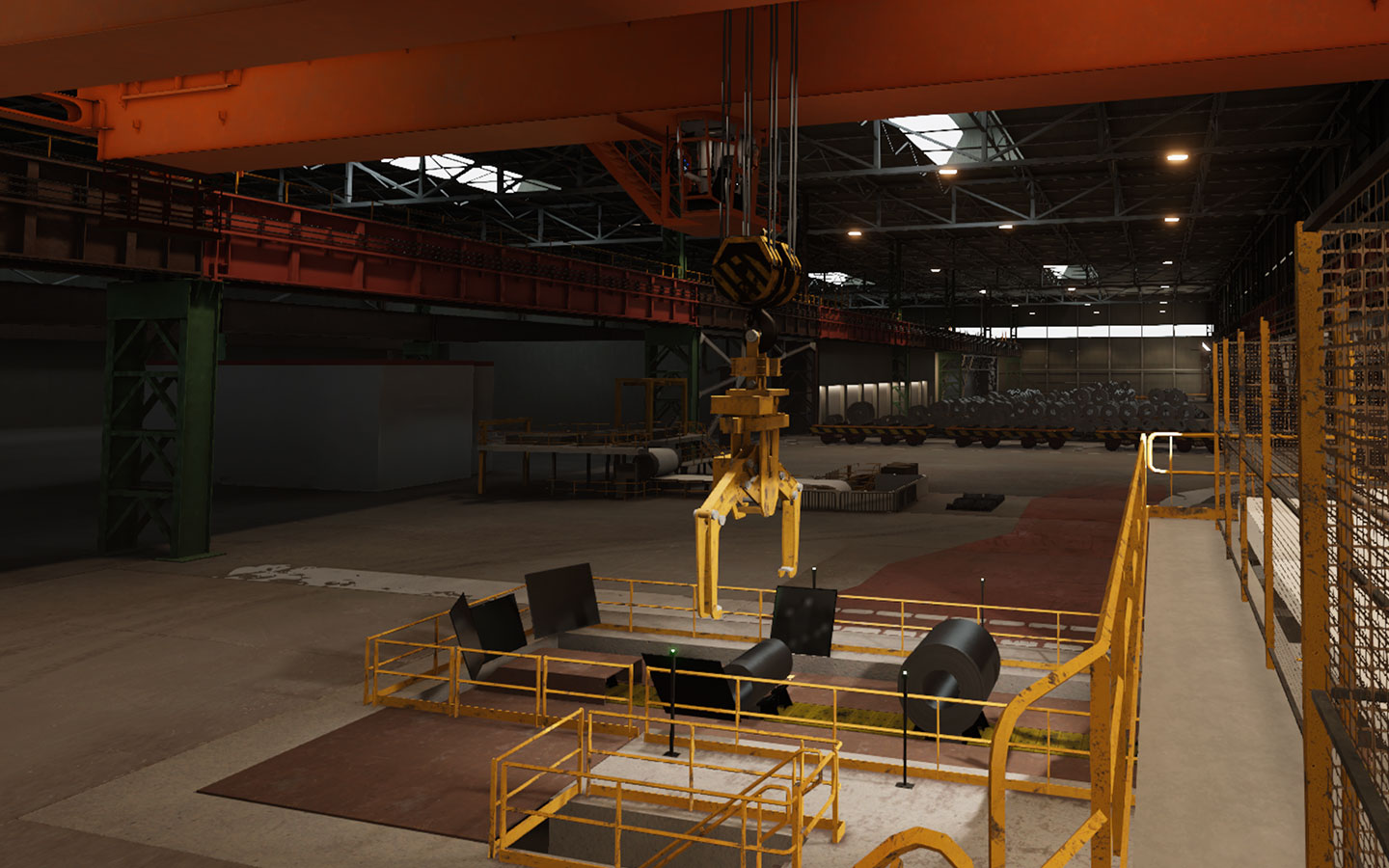
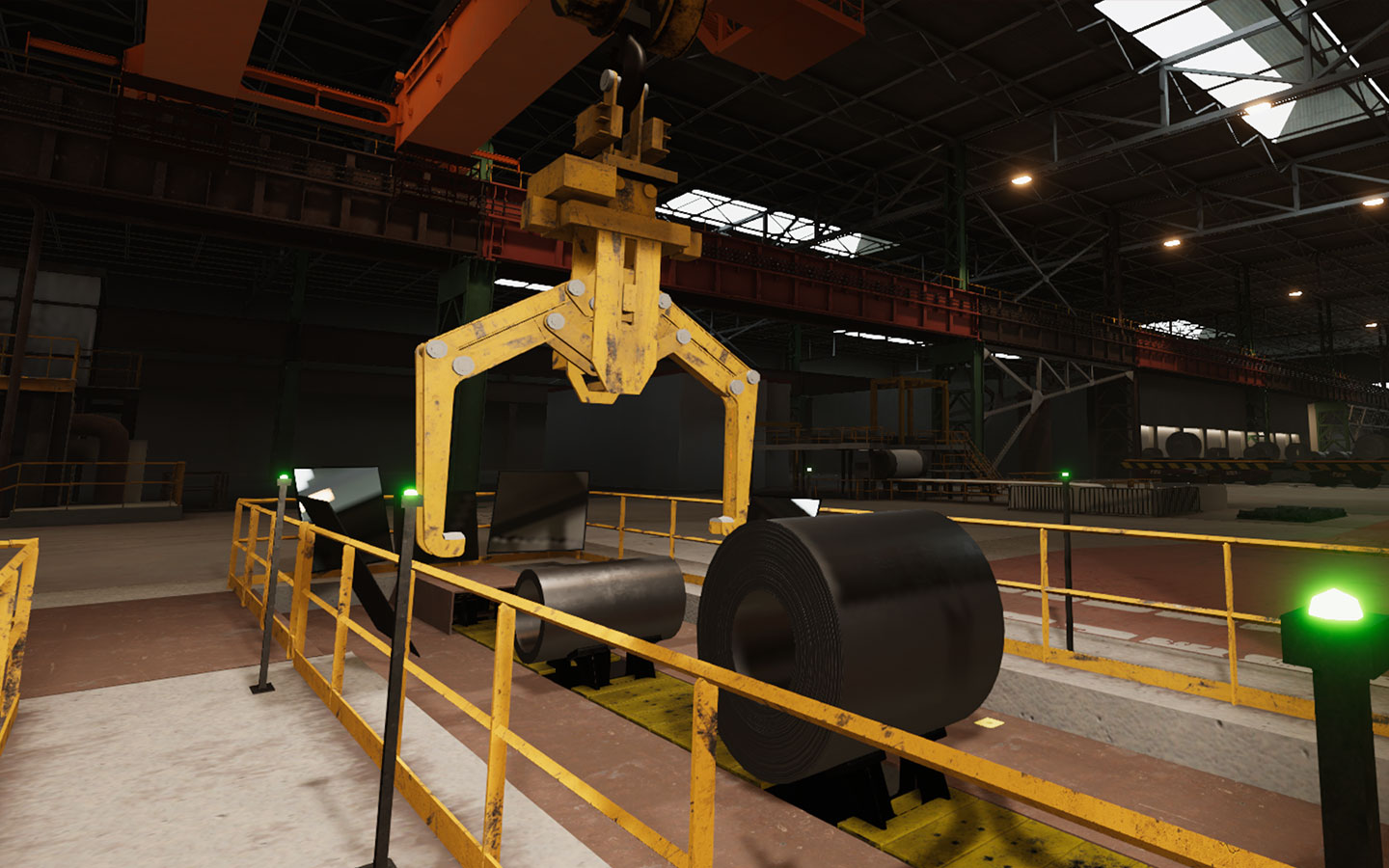
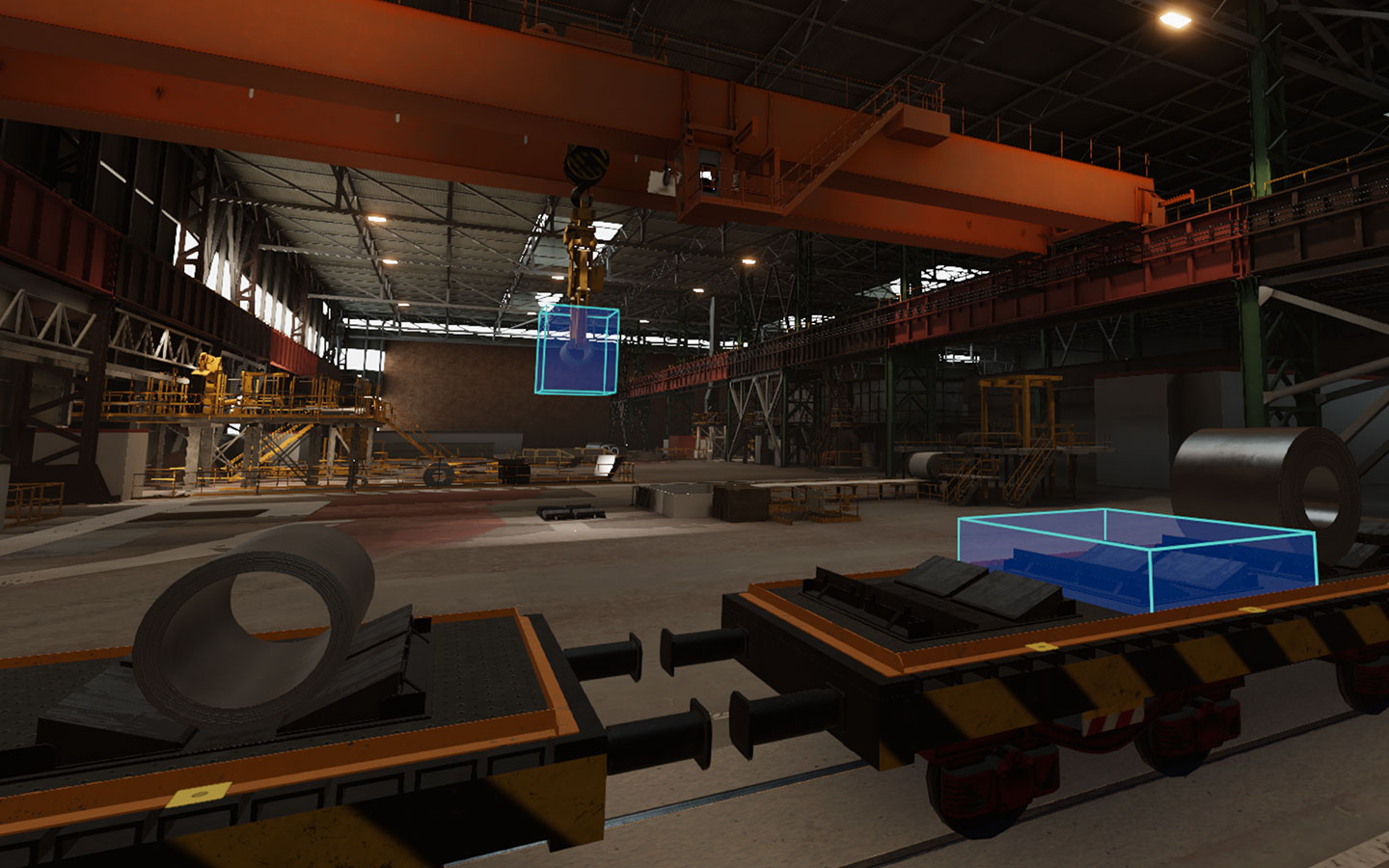
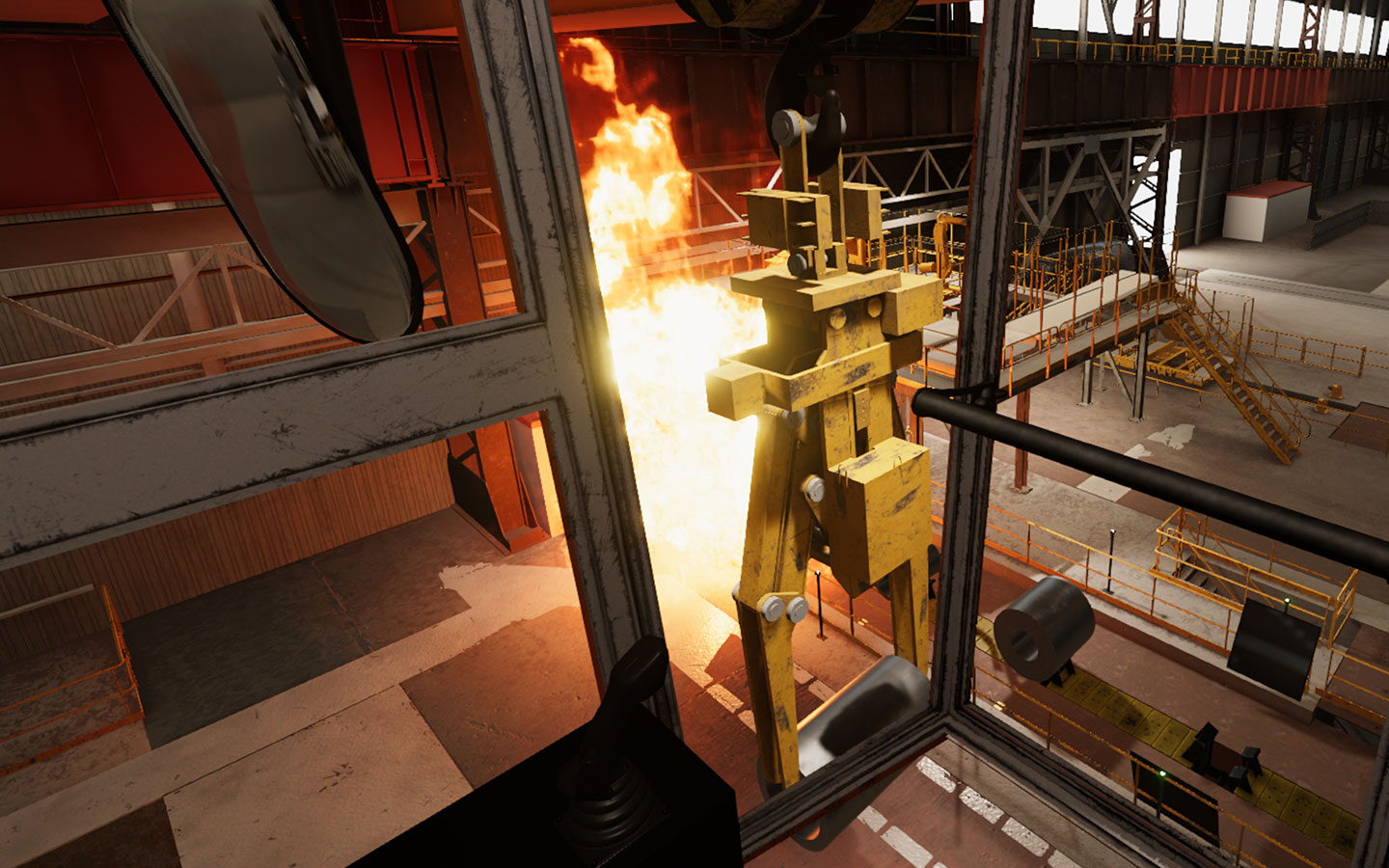
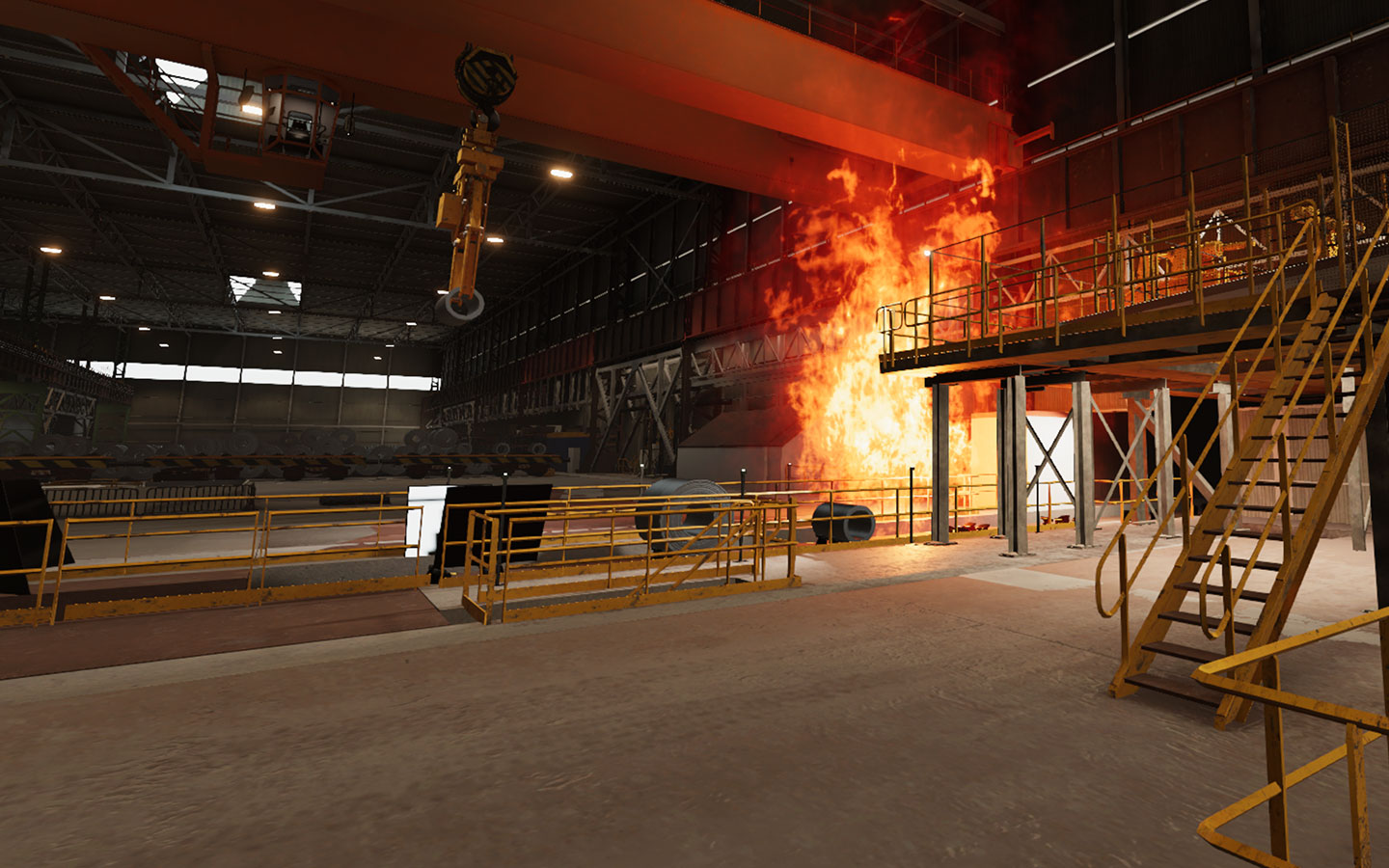
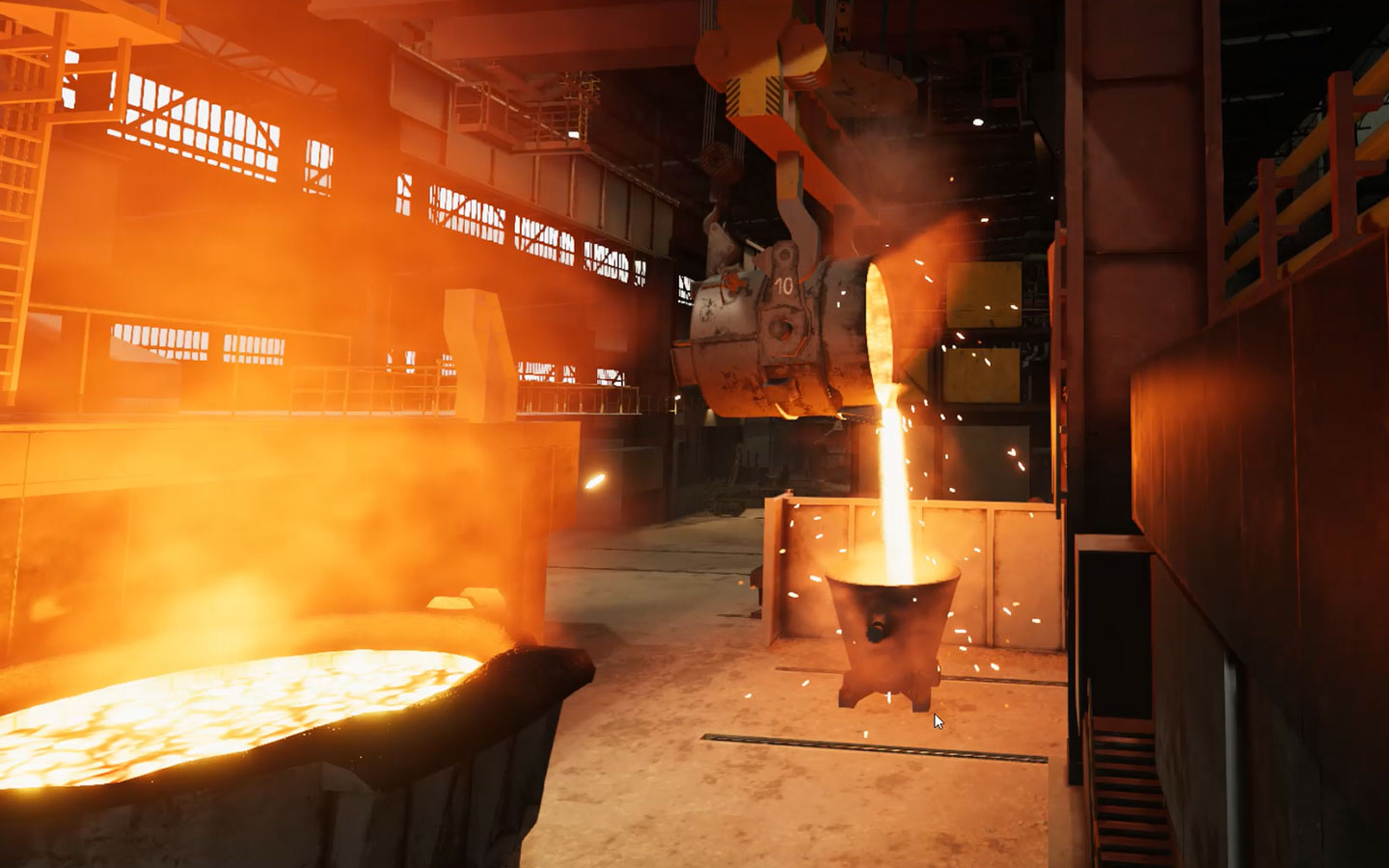
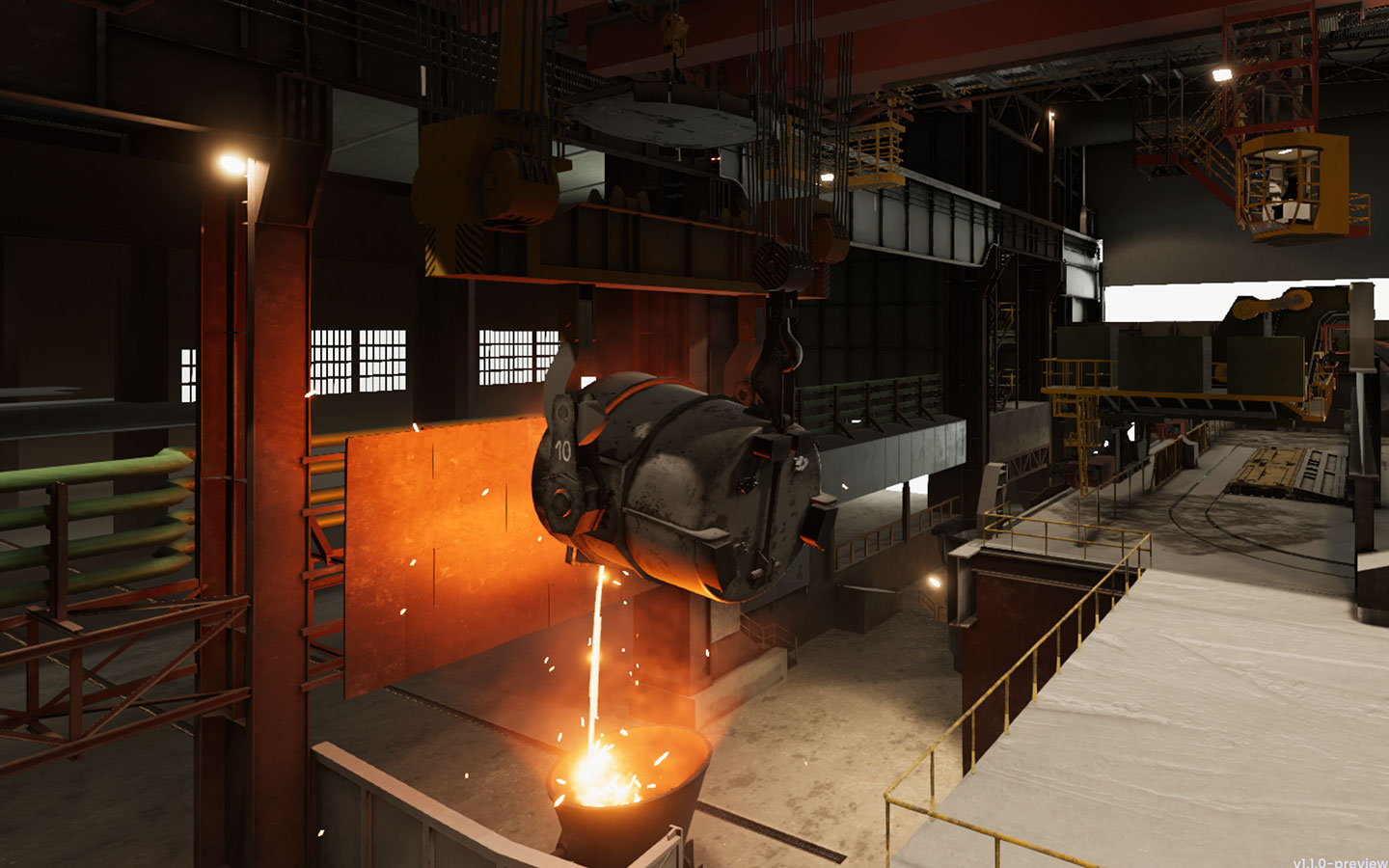
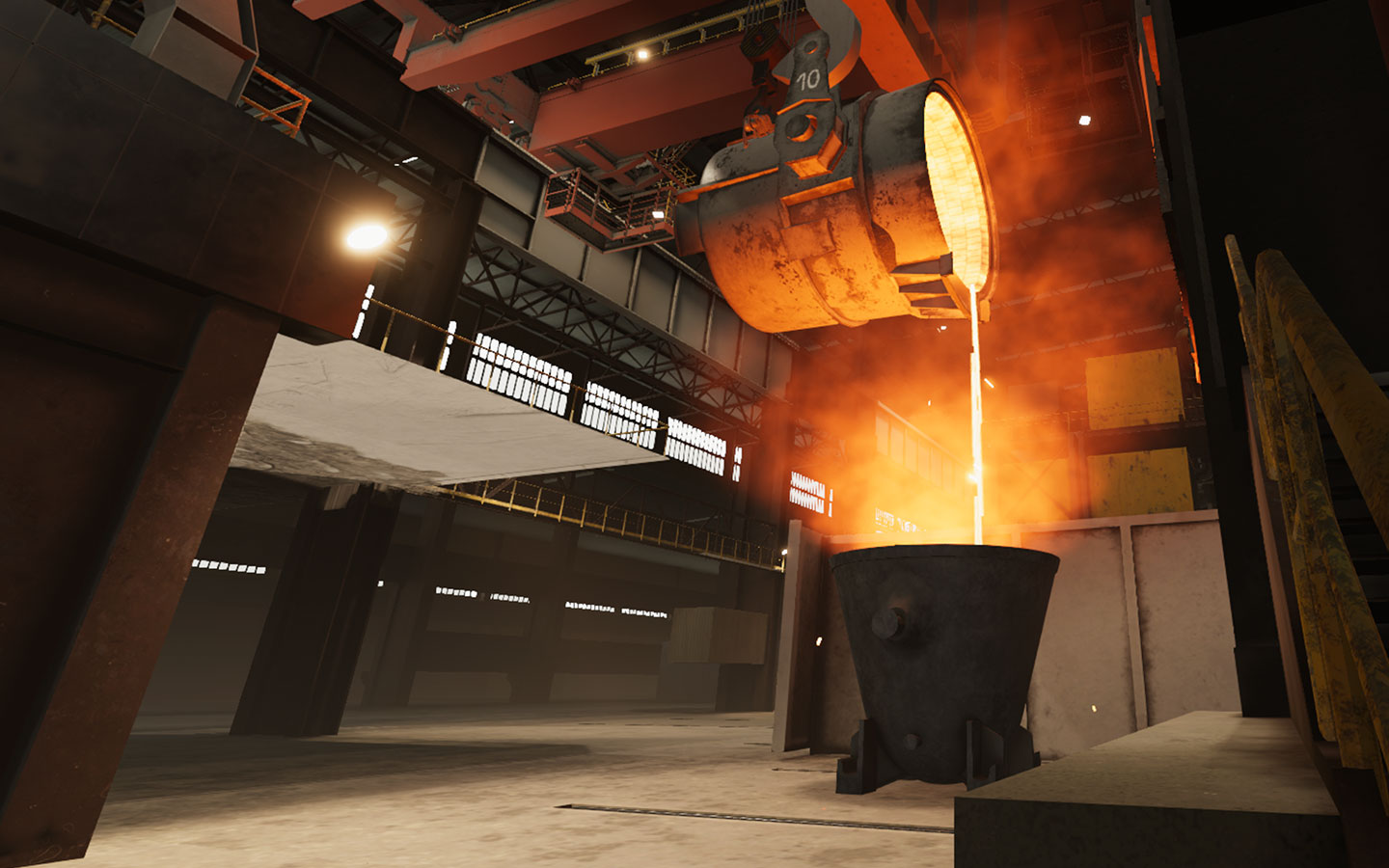
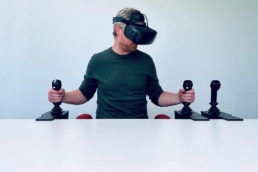
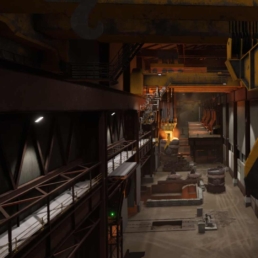
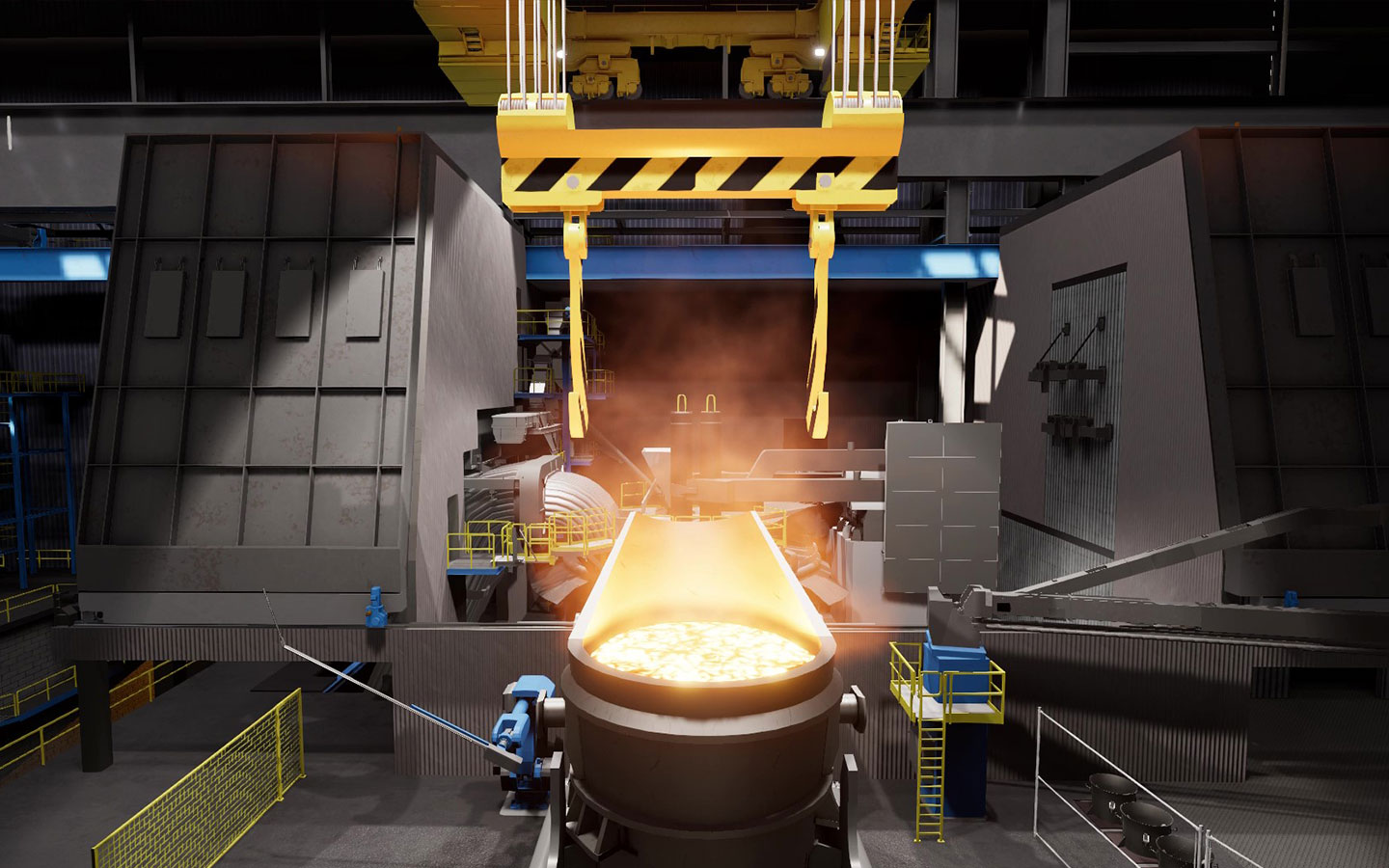
Professional simulation and training technology, which has been the standard in aviation and defense for years, is now finally available for crane operators in the steel industry. Steel Sim VR combines real time computer simulation with the most advanced and highest-immersion virtual products available with our partner Varjo. Resulting in a scalable training simulator for safer, faster, and more efficient crane operator training.
References fromindustry leading companies
Why you shouldchoose Steel Sim VR
Reducetraining risks
Lower the risk of damage, injuries, and fatalities to zero while in the simulator.
Shortentraining time
Better and faster training with more seat time, in a smaller timeframe.
Obtainvaluable insights
Get consistent, objective and accurate training perfomance reports.
Decreasedamages
Reduction on expenses for equipment, wages, downtime and damages.
Insights
7 October 2025
Frequently asked questions about Steel Sim VR Simulators
Crane operator training is evolving fast. With virtual reality and the latest simulation technology, steel plants can now train operators more safely, efficiently, and consistently than ever…
2 September 2025
Steel Sim VR and Danieli Centro Cranes join forces to enhance crane operator training
Improving crane operator training Danieli Centro Cranes and Steel Sim VR are working together to improve how crane operators are trained and prepared for daily operations in the steel industry.…
Book an online demo and watch Steel Sim VR in action
Please click the button below to schedule an online demonstration of the Steel Sim VR platform.
Faq
Steel Sim VR Explained: Training, Safety, and Measurable Impact
Crane operator training is evolving fast. With virtual reality, steel plants can now train operators more safely, efficiently, and consistently than ever before.
Below you’ll find answers to the most frequently asked questions about Steel Sim VR’s simulator systems, including insights from our customer stories and independent research.
The number of crane operators trained annually varies per site, depending on the size of the operation, staff turnover, and recertification policies. Our simulator system has no limit in number of users. Based on customer examples, and conversations with plant managers, we estimate up to 75 operators per year per crane simulator (coil crane, steel crane, etc). This includes new hires (onboarding), existing operators (skills refreshers or cross-training), and periodic recertification (typically every 2–3 years, but with simulator an easy option to do every year).
At Algoma Steel, the “train-the-trainer” model enabled four key operators to become internal instructors, allowing them to scale the training internally using the simulator. This reduced onboarding bottlenecks and helped ensure continuity in operator performance.
With one or our clients we see the following. Traditional training programs required an average of 66 days per operator, including 47 days of practical hands-on crane training, often with double staffing (trainee plus mentor). This consumes significant production time and costs, as the cranes and experienced personnel are diverted from operational duties.
The remaining days include theory modules, safety procedures, observation, and assessments. These figures were collected and validated through real-world data and clearly show the extensive effort and resources involved in conventional crane training.
Following simulator implementation, the majority of practical exercises move to a virtual environment. The overall training duration was reduced to 35 days, with significantly more autonomous learning.
We estimate an average of 30–50 simulator hours per operator per crane course, depending on the complexity of the training path, the variety of crane environments, and the use of advanced or emergency scenarios. These hours are highly effective, as the operator can repeat exercises, receive immediate feedback, and improve their skills without requiring access to physical equipment or instructors.
The simulator significantly reduces the need for live crane training. We achieved at our clients:
- 25% less time in the production environment
- 30% fewer physical handling pick-ups during training
These improvements directly reduce wear on equipment, risks of accidents, and mentor time. Furthermore, as Steel Sim VR continues to evolve, with improved scenarios and greater task variation (e.g., advanced missions, realistic emergencies, non-routine picks), we expect that the number of hours or even days required in the live environment can be reduced further. This opens the door for more flexible, safer, and cost-effective operator training in the long term.
The simulator leads to a dramatic decrease in training-related incidents. Results we have achieved are training-related damage decreased by 90%, including accidents involving coils, hooks, or infrastructure. These avoided incidents would otherwise represent tens of thousands of euros in material loss and production delays.
The key benefit is that trainees can make mistakes in the simulator, errors that serve as powerful learning moments without any real-world consequences. As crane trainer Ilyusha Sierens explains: “That moment of ‘oh my gosh, what have I done?’ is crucial for understanding the severity of mistakes.”
Academic support: A 2023 systematic review confirmed that VR training significantly reduces incidents in high-risk environments by improving hazard perception, cognitive engagement, and decision-making in virtual but realistic simulations (Springer – Virtual Reality in Safety Training).
Yes. VR enables safe training of scenarios like, fires, crane control failures, ladle breakouts, etc. The critical difference lies in the fact that emergency or incident scenarios are currently not trained at all in live environments. Simulating fire, control failure, or blocked paths is not feasible during live crane training.
Steel Sim VR enables these rare and dangerous situations to be practiced safely and repeatedly, giving operators the confidence to respond under pressure. According to research in the Safety Science Journal (2021), operators trained in immersive simulation environments reacted to unexpected incidents 43% faster than traditionally trained counterparts.
Therefore, it’s not only about reducing response time, it’s about making critical scenarios part of the training for the first time. Off course, It depends on the complexity of the different missions, environment etcetera. (Safety Science Journal)
Efficiency increases due to more consistent and standardized execution of tasks. The simulator ensures every trainee experiences the same sequence of actions and decision-making points, reducing variability in performance.
Scientific support: A PwC study showed that VR-trained employees could complete tasks up to 4x faster, while learning was retained 275% better than with conventional classroom training. In the aerospace industry (e.g., Boeing), task efficiency increased by up to 70% when VR was used to prepare for precision-based operations.
Operators trained through VR also build “muscle memory” more rapidly via repetition, allowing them to focus cognitive attention on situational awareness and planning rather than routine task. PMC – Virtual Reality Training in Skilled Work
High product quality relies on precision and damage-free handling. Repeated simulation of coil handling for example, tight spaces, and safety-critical maneuvers helps avoid common errors such as collisions, misalignment, or poor grip behavior.
At ArcelorMittal Gent, 30% fewer coil picks were needed during training, reducing wear and risk.
Scientific support: VR studies demonstrate higher task precision, better retention of operational knowledge, and lower error rates across multiple sectors. These performance gains translate directly to product handling quality and reduce the number of quality-related incidents (PMC – Virtual Reality Training in Skilled Work, 2024).
Safety is improved in multiple ways:
- During training: By relocating much of the practical learning to a safe, classroom-based environment.
- In operations: Because operators are better prepared for both routine and emergency scenarios.
Steel Sim VR also fosters a culture of safety by reinforcing best practices and enabling emergency scenario drills that simply aren’t feasible in live crane environments.
In addition to measurable ROI, the simulator provides long-term strategic value:
- Continuity in training regardless of shift schedules, shutdowns, or staff availability
- Uniformity in training experience through standardized, repeatable modules
- Recertification can be managed easily be done with this system
- Data analytics enable tracking of performance, violations, and individual learning curves
These benefits extend beyond training and support broader operational, safety, and workforce development goals.
Steel Sim VR offers a simulated Cabin set up where operators are able to train when sitting on a crane chair while looking at 180 degrees screen set up. This replicates an actual cabin view, and does not require Virtual Reality.